Familiar English form
The LORD is my shepherd; I shall not want.
The Way Version
YHWH is my shepherd: I shall lack nothing.
The Bible with Original Names keeps earlier-language names and source terms visible while familiar passages remain recognizable. Read it in the browser, use the iPhone experience, explore Android/mobile options, or get the physical edition.
You do not have to buy the book to find out whether this translation is useful to you.
Changing a familiar Bible can feel like being asked to choose sides. That is not the invitation here. Familiar English forms such as Jesus and John are part of a long history of names moving across languages. The Way Version keeps forms such as Yeshua and Yochanan visible because seeing them can bring the first-century setting a little closer.
The same principle applies to terms such as YHWH, Elohim and Ruach. They are not presented as a test of belief or a requirement for how someone must speak. They are there so readers can notice what is present in the source-language world and compare it with the wording they already know.
No reader has to agree with every rendering to find a comparison useful. Open a passage, place it beside a familiar translation, and see what questions the differences raise.
The examples below use familiar English wording as a reference point, then show The Way Version. Earlier-language forms are highlighted gently. The translation also revisits wording and context, so not every difference is a name change.
The LORD is my shepherd; I shall not want.
YHWH is my shepherd: I shall lack nothing.
The book of the generation of Jesus Christ, the son of David, the son of Abraham.
The scroll of the generations of Yeshua the Messiah, son of Dawid, son of Avraham.
In the beginning God created the heaven and the earth... and the Spirit of God moved upon the face of the waters.
In the beginning Elohim created the heavens and the earth... and the Ruach of Elohim was hovering over the face of the waters.
Want more context before forming an opinion? The Bible versions comparison places The Way alongside several mainstream and sacred-name approaches without treating one difference as the whole story.
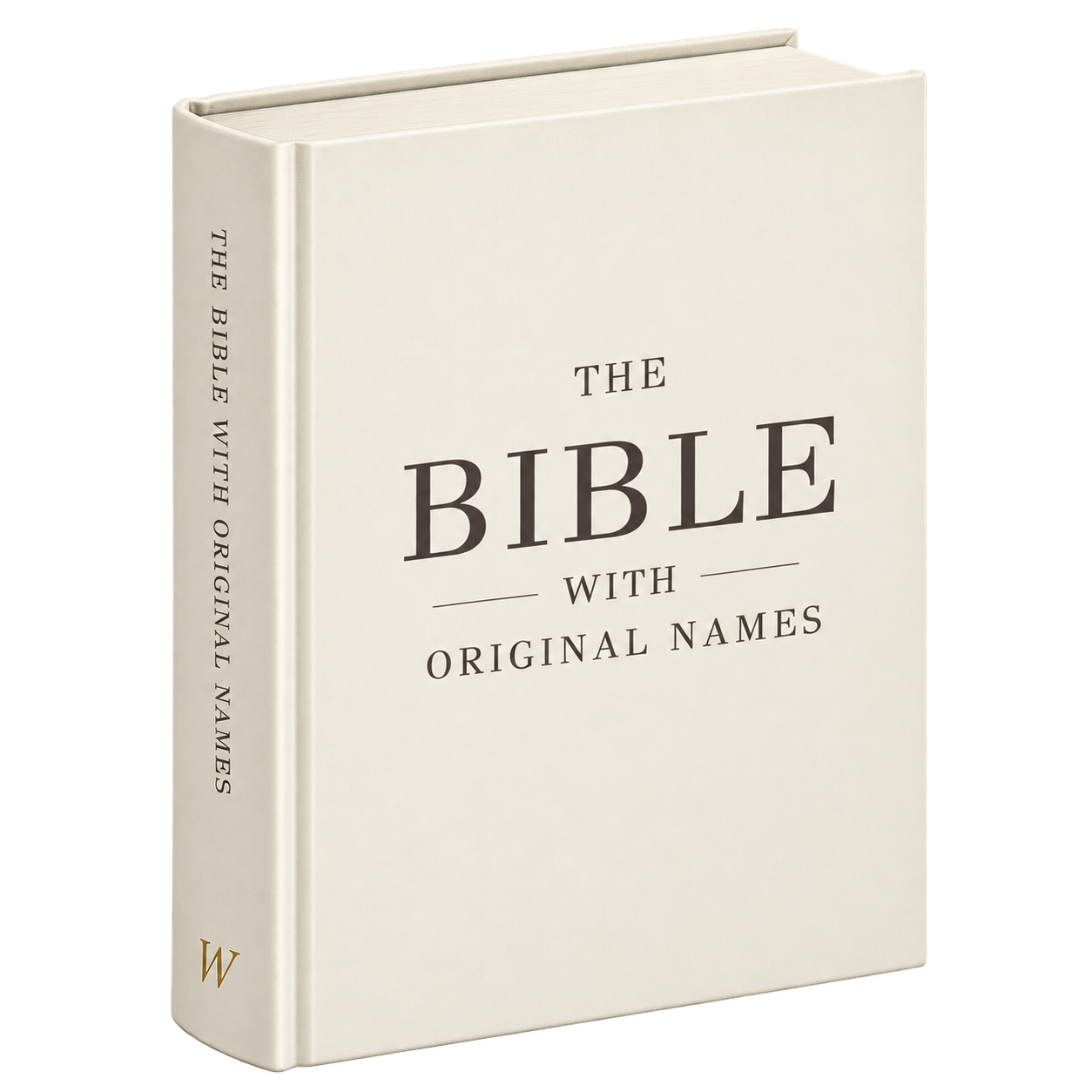
The hardcover is intentionally quiet. The text is the center of the object, so readers can notice names and wording without being surrounded by commentary telling them what to think.
Earlier-language forms appear in the running text where The Way Version retains them.
Scripture flows as readable prose with verse numbers present rather than feeling like a database of isolated lines.
The hardcover keeps the traditional 66-book Protestant reading collection.
No running commentary or dense note system competes with the Scripture text.
A physical copy should not be the price of finding out whether this approach is interesting. Open the web reader now or use the mobile options that fit your phone.
Start with one familiar passage, compare it with the Bible you already use, and follow whatever questions are worth following.
Use the iPhone app or open the mobile page for Android and other phone options.
The Way Version is a source-grounded investigation that follows linguistic and textual evidence passage by passage. Hebrew is primary for the Hebrew Bible. In the Gospels, especially in sayings shaped by Semitic speech, Aramaic, Syriac, the Peshitta tradition and the wider Semitic speech-world are part of the investigation alongside surviving Greek witnesses.
The project also uses AI as a research aid to compare language forms, surface questions, search the corpus and test consistency. AI output is not treated as unquestionable evidence. The work is checked against textual witnesses, language resources, scholarship and the documented project history.
The Bible with Original Names: The Way Version is available as a hardcover. Buy it when you are ready, or keep reading free online.
ISBN 9798182755795. Price shown in USD.
The book and reader stand on their own. For people who do want conversation, The Way community is a place to compare translations and sources, ask questions, test ideas and talk with readers from different backgrounds. Respectful disagreement is welcome.
No. The Way Version can be read beside another translation. Comparing wording is part of the point, and familiar English forms are not treated as fraudulent or spiritually defective.
No. Ancient pronunciation is not always fully recoverable, and transliteration involves judgment. The project uses documented forms to keep earlier-language identity visible without claiming certainty where the evidence does not support it.
No. The hardcover is intentionally a reading Bible. It does not add a running study-note system or theological commentary to every page.
Yes. The web reader is free at thewayversion.com/app, and the iPhone app is available on the App Store. Android readers can use the mobile reading options.
The button opens the current checkout page in a new tab. The retailer may change over time.