King James Version
The book of the generation of Jesus Christ, the son of David, the son of Abraham.
The Way Version
The scroll of the generations of Yeshua the Messiah, son of Dawid, son of Avraham.
Get the full 66-book Bible EPUB for Kindle or e-reader →
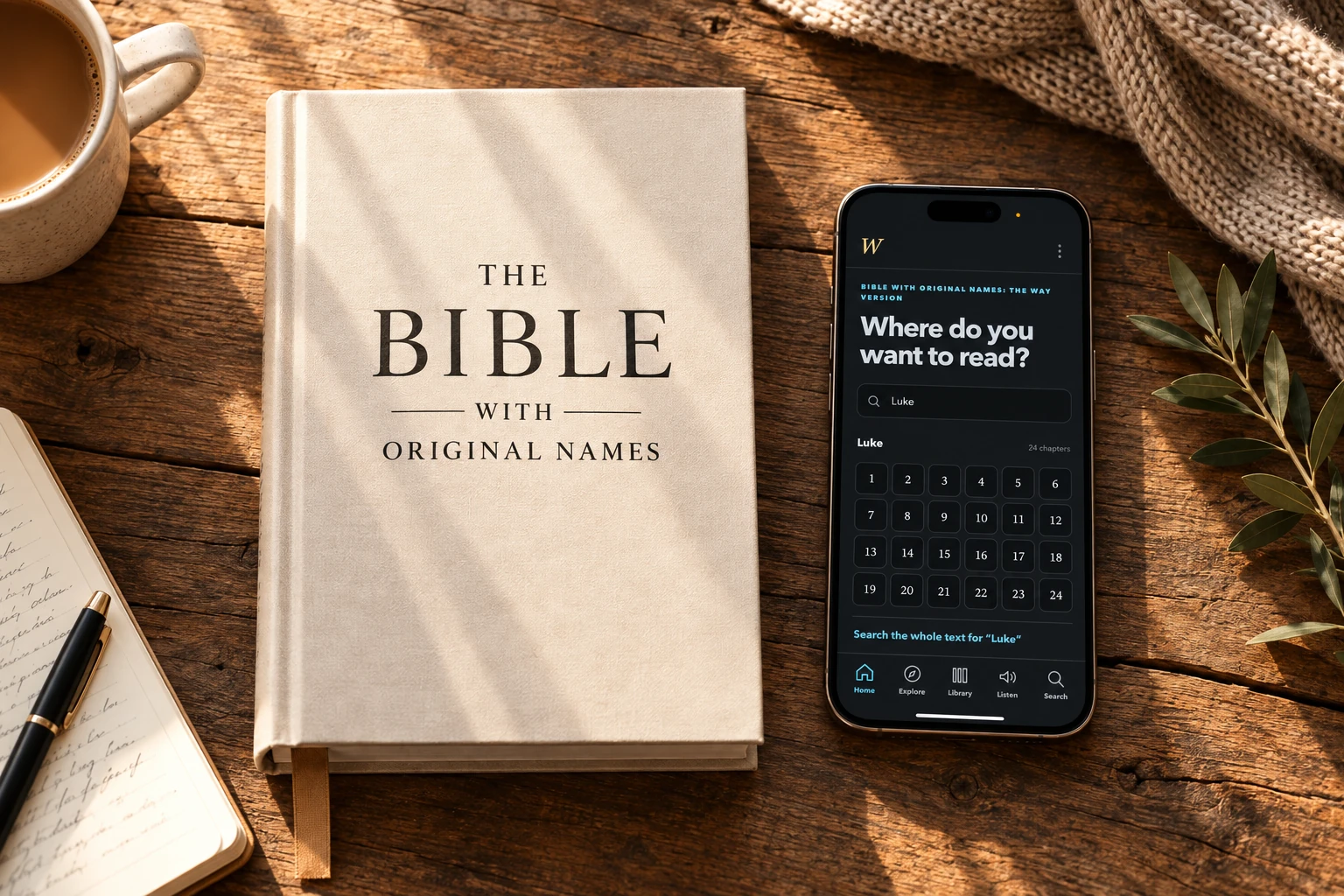
Related questions: What does Elohim mean in Hebrew? · Is there a Bible with Hebrew names in the text? · What was John’s name in Hebrew?
These are actual passages from The Way Version, so you can see the name Yeshua in context before choosing how to read.
The book of the generation of Jesus Christ, the son of David, the son of Abraham.
The scroll of the generations of Yeshua the Messiah, son of Dawid, son of Avraham.
The beginning of the gospel of Jesus Christ, the Son of God;
The beginning of the good news of Yeshua the Messiah, the Son of Elohim.
And Jesus increased in wisdom and stature, and in favour with God and man.
And Yeshua increased in wisdom and stature, and in favor with Elohim and the people.
From that time Jesus began to preach, and to say, Repent: for the kingdom of heaven is at hand.
From that time Yeshua began to proclaim, and to say, "Turn back, for the reign of the heavens has drawn near."
The next day John seeth Jesus coming unto him, and saith, Behold the Lamb of God, which taketh away the sin of the world.
The next day, he saw Yeshua coming to him, and said, "Behold, the Lamb of Elohim, who takes away the wrongdoing of the world!
Jesus saith unto her, Mary. She turned herself, and saith unto him, Rabboni; which is to say, Master.
Yeshua said to her, "Maryam." She turned and said to him, "Rhabbouni!" which is to say, "Teacher!"
Want the full Bible for your Kindle or e-reader? Enter your name and email below, and we'll send you the complete 66-book Bible as an EPUB now.
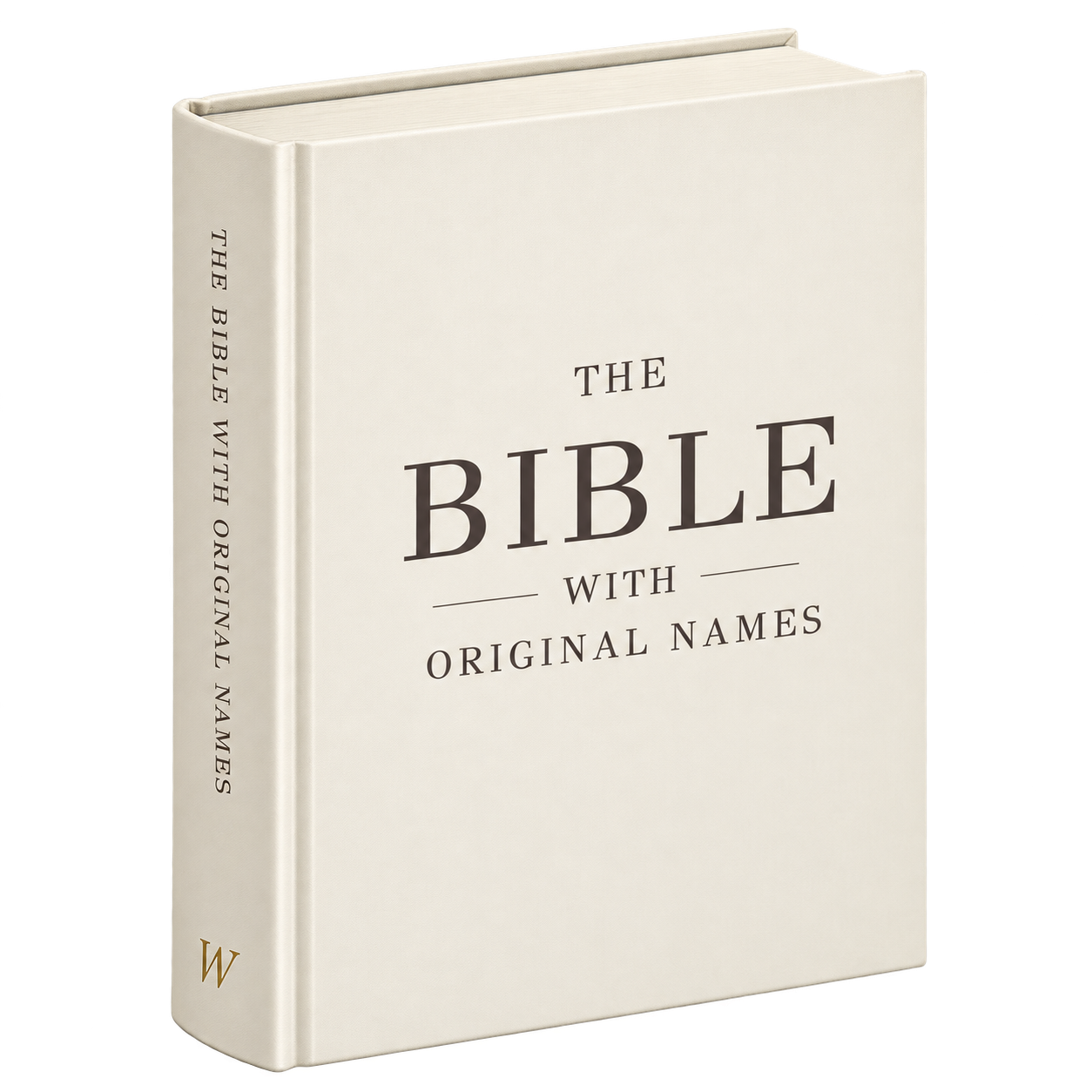
We’ve published The Bible with Original Names as a complete 66-book hardcover, alongside the free digital edition. It belongs on the desk as much as the shelf: a translation to read closely, annotate, and compare with the one you already know.
Start with a passage. What does it say, where did its language come from, and how have people understood it? Compare historical sources and interpretations, then discuss what those ideas may mean for relationships and communities today.
Share a question, a new observation or a different reading. Believers, nonreligious readers and those somewhere between are welcome. A useful discussion can end with more to investigate.
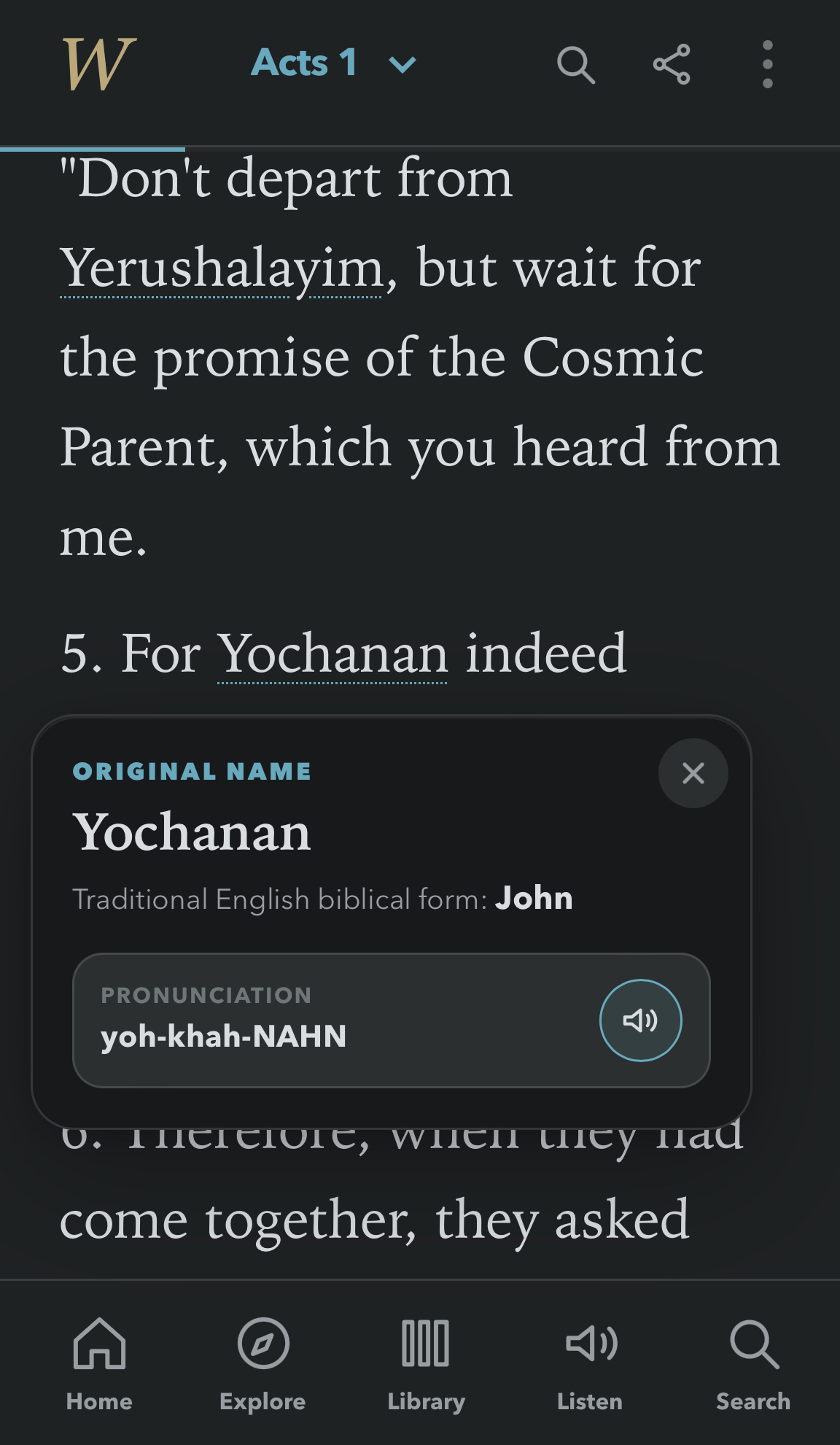
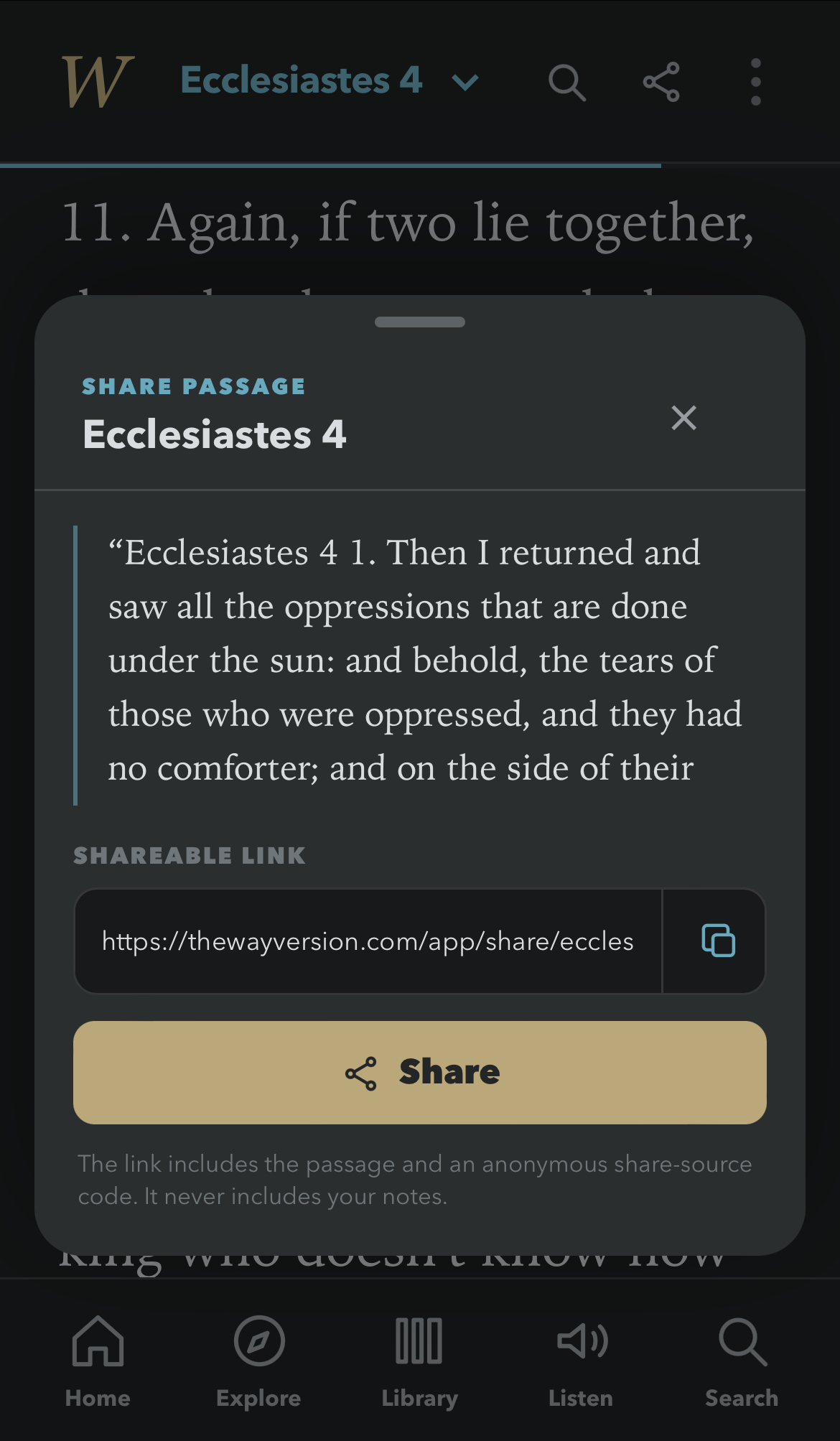
We’ve brought the complete edition to iPhone and Android. Tap a name to find its familiar English form and hear pronunciation, save passages, and share verses directly from the text.
Prefer your browser? Read free online →
Start with the Bible, see the translation research, or join the conversation about the text.