King James Version
I commend unto you Phebe our sister, which is a servant of the church which is at Cenchrea:
The Way Version
I commend to you Phoebe our sister, who is a deacon of the assembly that is in Kenchreai,
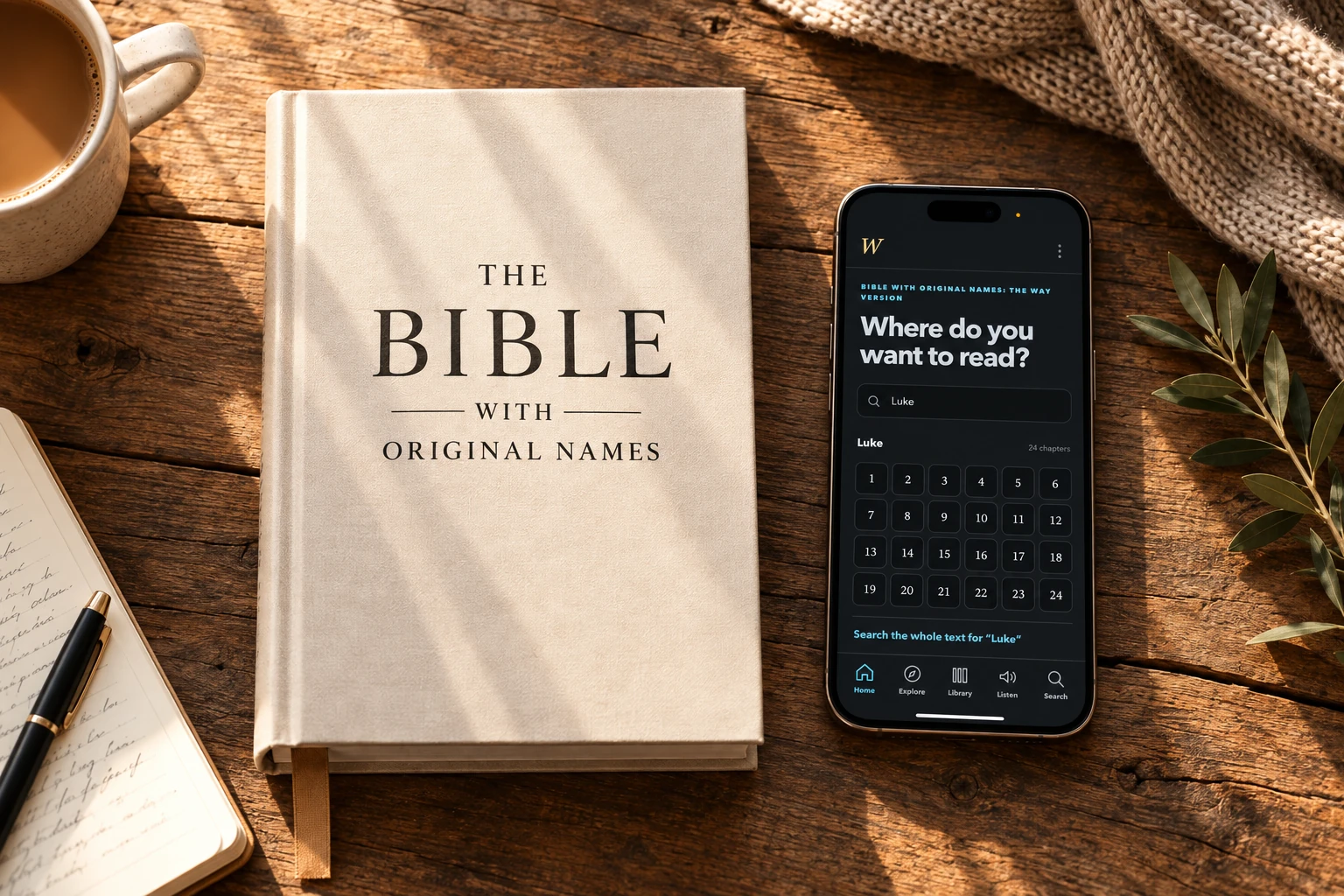
Get the full 66-book Bible EPUB for Kindle or e-reader →
Follow Phoebe, Junia, Prisca and other women in the New Testament. Individual offices and translations require careful contextual reading.
I commend unto you Phebe our sister, which is a servant of the church which is at Cenchrea:
I commend to you Phoebe our sister, who is a deacon of the assembly that is in Kenchreai,
Salute Andronicus and Junia, my kinsmen, and my fellow-prisoners, who are of note among the apostles, who also were in Christ before me.
Greet Andronicus and Junia, my kinspeople and my fellow prisoners, who are prominent among the emissaries, who also were in the Messiah before me.
And he began to speak boldly in the synagogue: whom when Aquila and Priscilla had heard, they took him unto them, and expounded unto him the way of God more perfectly.
He began to speak boldly in the synagogue. But when Priskilla and Akylas heard him, they took him aside, and explained to him the way of God more accurately.
But every woman that prayeth or prophesieth with her head uncovered dishonoureth her head: for that is even all one as if she were shaven.
But every woman praying or prophesying with her head unveiled dishonors her head. For it is one and the same thing as if she were shaved.
I beseech Euodias, and beseech Syntyche, that they be of the same mind in the Lord.
I exhort Euodia, and I exhort Syntyche, to think the same way in the Master.
And a certain woman named Lydia, a seller of purple, of the city of Thyatira, which worshipped God, heard us: whose heart the Lord opened, that she attended unto the things which were spoken of Paul.
A certain woman named Lydia, a seller of purple, of the city of Thyatira, one who worshiped God, heard us; whose heart the Master opened to listen to the things which were spoken by Shaul.
Want the full Bible for your Kindle or e-reader? Enter your name and email below, and we'll send you the complete 66-book Bible as an EPUB now.
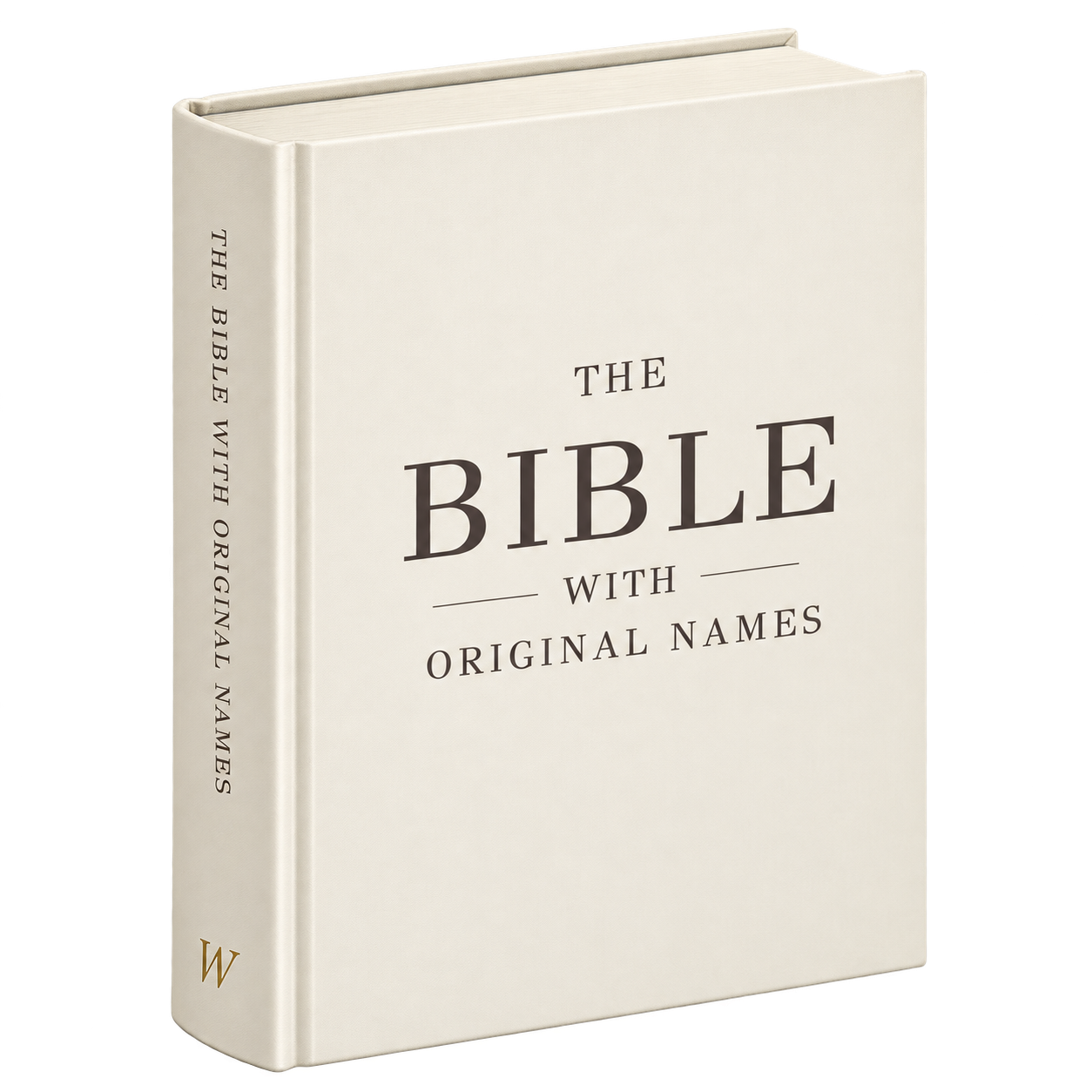
We’ve published The Bible with Original Names as a complete 66-book hardcover, alongside the free digital edition. It belongs on the desk as much as the shelf: a translation to read closely, annotate, and compare with the one you already know.
Start with a passage. What does it say, where did its language come from, and how have people understood it? Compare historical sources and interpretations, then discuss what those ideas may mean for relationships and communities today.
Share a question, a new observation or a different reading. Believers, nonreligious readers and those somewhere between are welcome. A useful discussion can end with more to investigate.
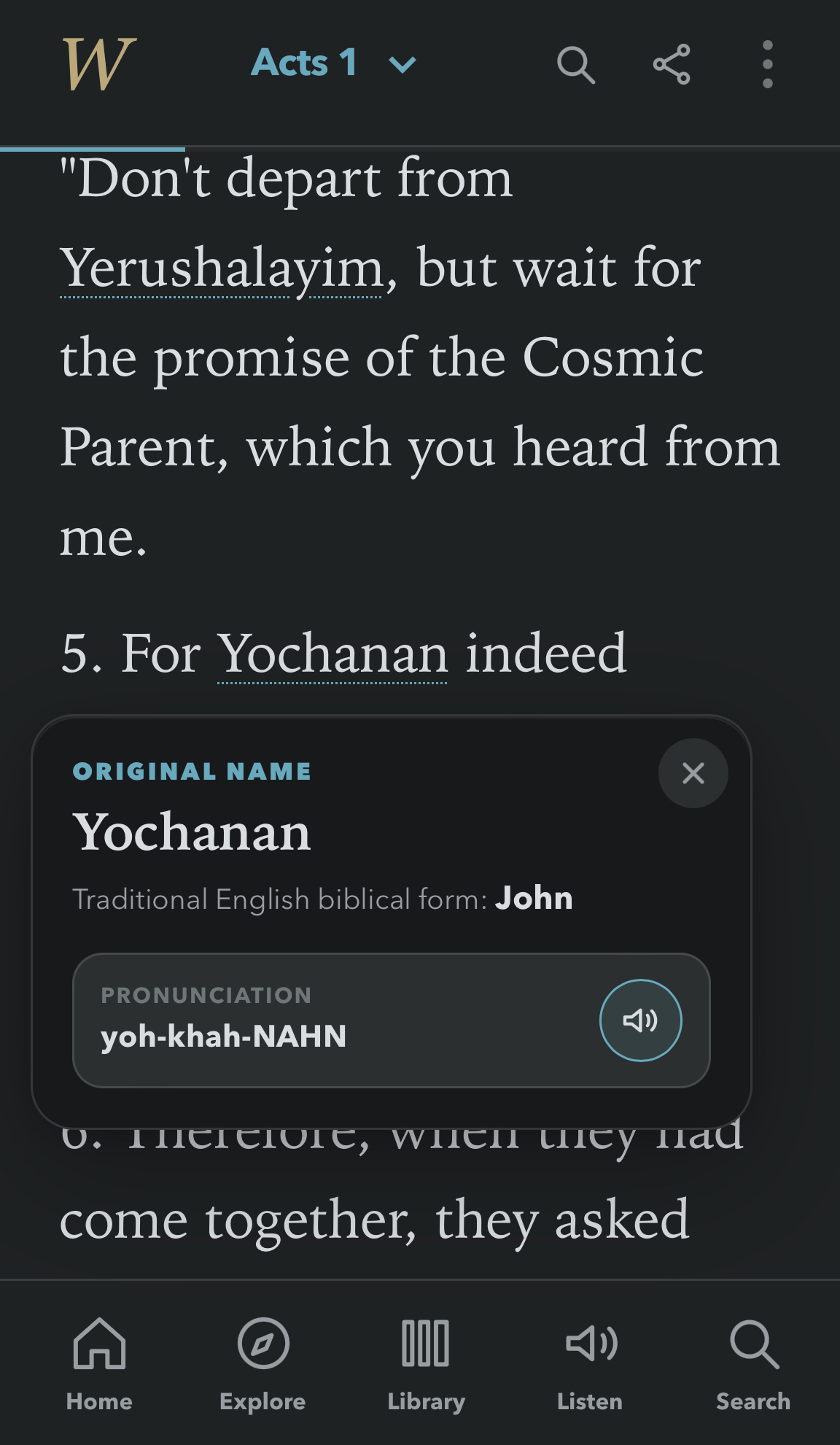
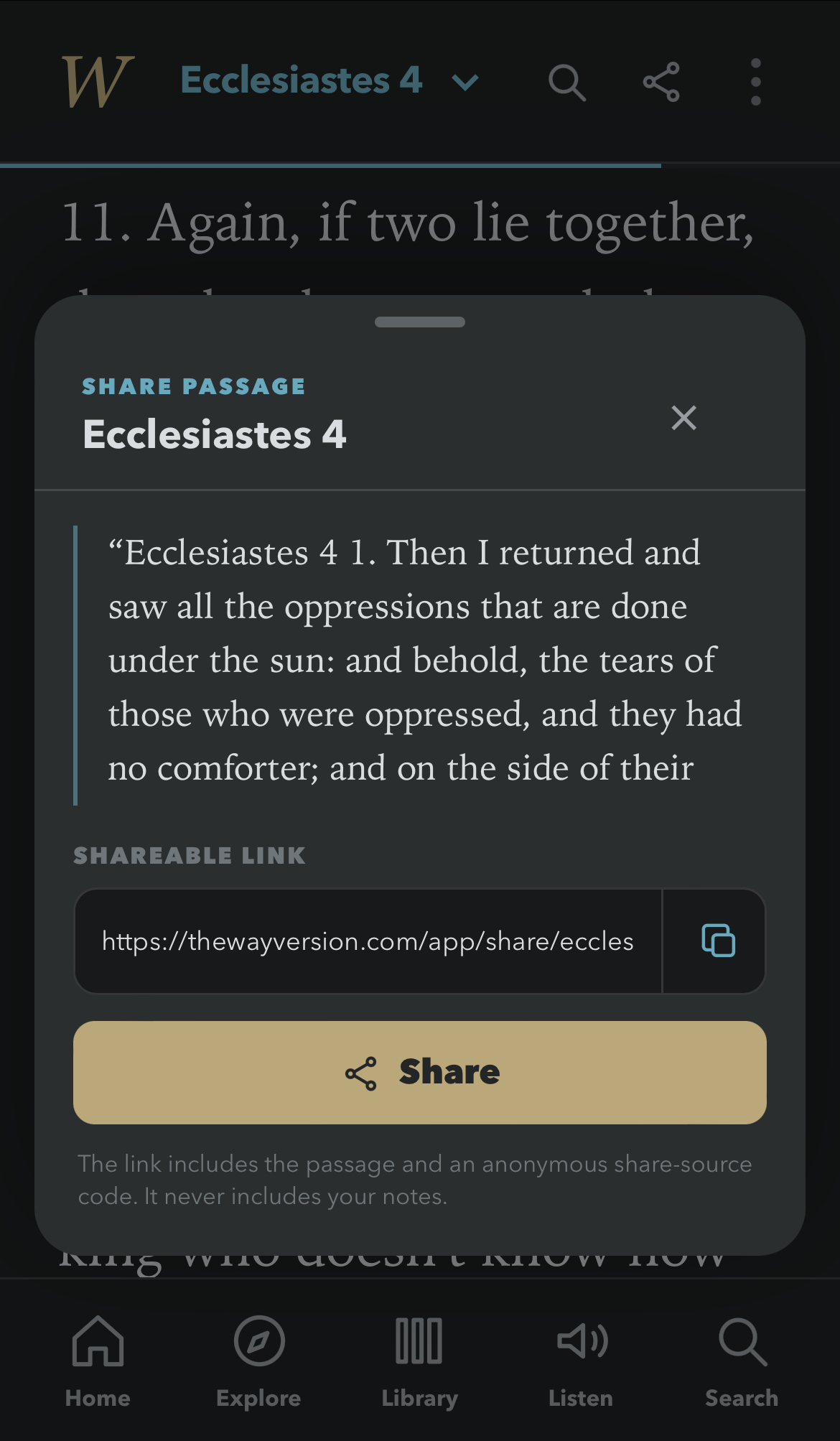
We’ve brought the complete edition to iPhone and Android. Tap a name to find its familiar English form and hear pronunciation, save passages, and share verses directly from the text.
Prefer your browser? Read free online →
Start with the Bible, see the translation research, or join the conversation about the text.